

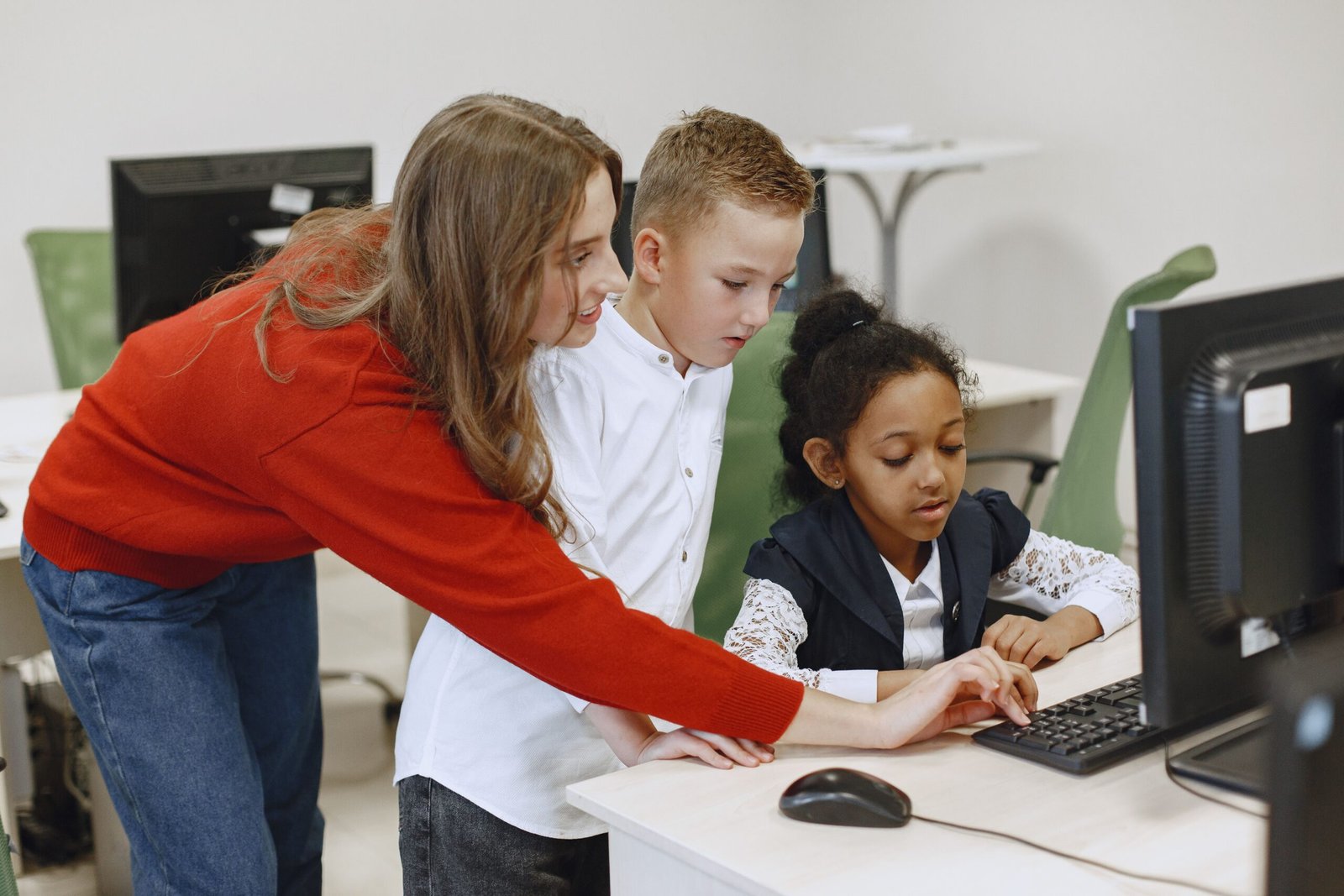
Problem-solving develops when children have opportunities to work through a challenge rather than being given every answer immediately. Support is still important: adults can help children understand the task and keep the challenge appropriate to their age.
A simple problem-solving process
- Identify: describe what needs to be solved.
- Understand: gather the relevant information and identify what is missing.
- Explore: think of more than one possible approach.
- Try: test a suitable idea safely and observe what happens.
- Reflect: consider what worked and what could be changed.
Encourage reasoning, not guessing
Ask children to explain why they chose a particular approach. If it does not work, treat the result as information that can guide the next attempt. This helps children practise patience and flexible thinking.
Problem-solving with AI
AI may help organise ideas or suggest options, but it cannot take responsibility for a child’s choices. Learners should check suggestions, involve an adult when needed and make their own reasoned decisions.
This approach reflects the PES belief that technology learning should strengthen—not replace—human judgement.